
Rini Skincare Review: Cute Idea or Total Miss for Kids’ Skincare?
Introducing Rini
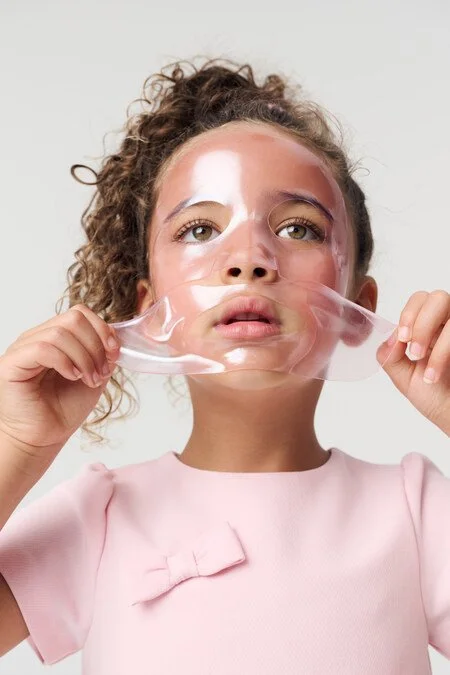
If you haven’t already heard, there’s a new kids’ skincare brand that is sparking controversy online. Rini, which means “children” in Korean, just launched as the first ever line of gentle skincare for kids ages 3 and up.
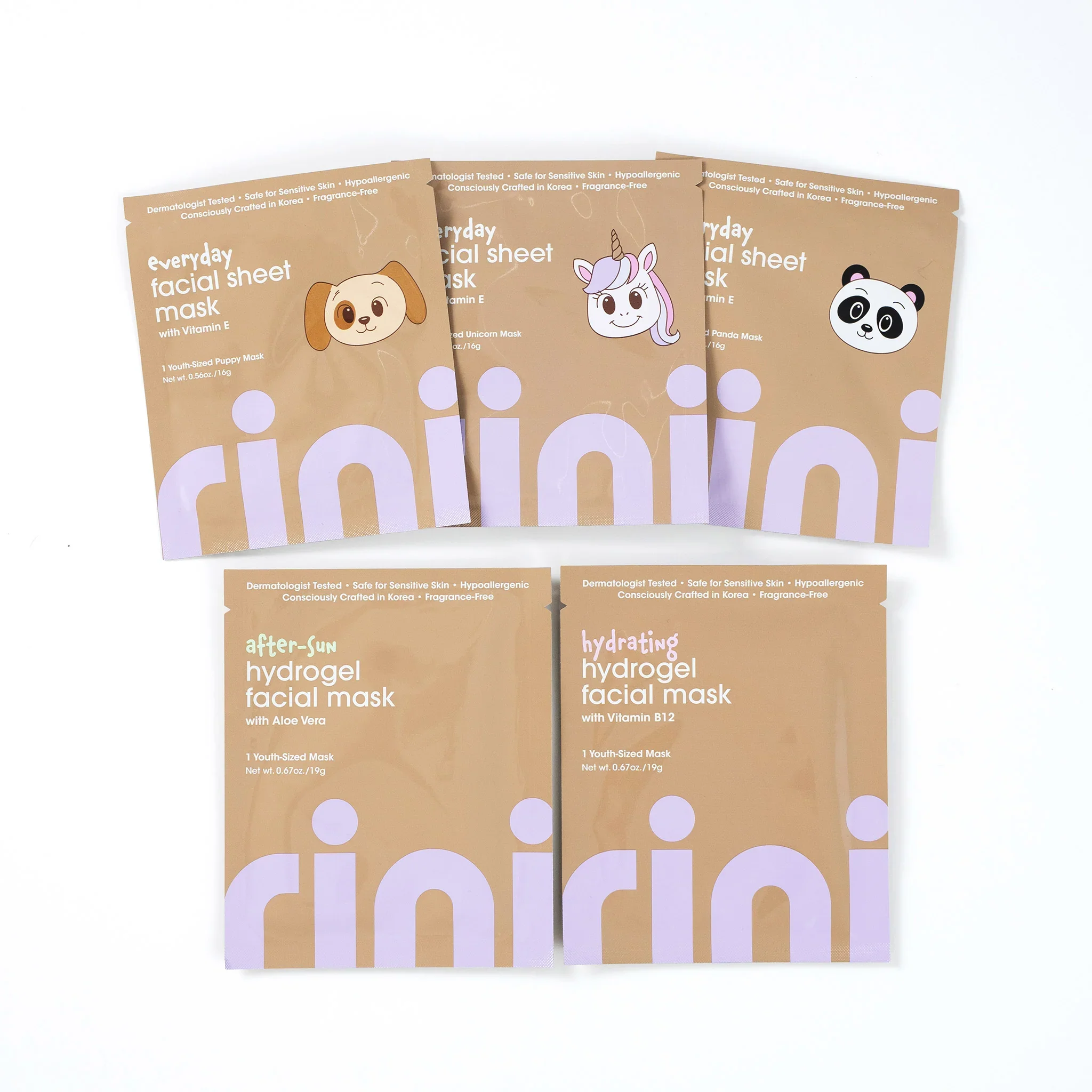
The brand’s lineup includes a hydrating mask infused with Vitamin B12 to nourish the skin, an after-sun mask with aloe vera and chamomile to soothe post-play stress, and everyday masks with Vitamin E that come in dog, panda, or unicorn designs—all aimed at calming and hydrating after a day outside.
Behind the brand are Shay Mitchell, Esther Song, and Matte Babel, who created Rini with a mission “to nurture healthy habits, spark confidence, and make thoughtfully crafted daily care essentials and play products accessible to every family.”
However, skincare for kids ages 3 and up begs the question: is Rini ahead of the curve or has the brand lost the plot? Let’s get into it.
Here’s why Rini missed the mark
Let’s start with the obvious—children as young as three don’t have skincare concerns. Most skincare products exist to treat a particular concern: dryness, acne, dark spots, dullness. But at three years old (and even well beyond that), a child’s skin is still developing. All they really need is a gentle cleanser, a lightweight moisturizer, and sunscreen. No frills, just the basics.
Sure, some kids may deal with eczema or the occasional rash, but overall, their skin is naturally balanced and resilient. Introducing unnecessary products too early can actually disrupt or damage the skin barrier, especially with repeated use. In short, children don’t need a skincare routine, even if it’s packaged as “self-care.”
Skincare experts agree. Dr. Fatima Fahs, a board-certified dermatologist, told Today.com that children’s skin barriers are “already very healthy and resilient,” adding that kids “don’t really need to be using any of these ingredients.”
Beyond the physical concerns, there’s a deeper, more cultural one. We’re living in a time when young girls’ self-esteem is under constant pressure, thanks to social media and early exposure to filtered beauty standards. Marketing beauty products to children, intentional or not, walks a very fine line. Done thoughtfully, it can teach good habits and spark healthy conversations about hygiene and confidence. Done carelessly, it risks sending the message that there is something wrong with their skin, and beauty routines are the fix for worth or acceptance.
At its core, childhood should be about play, imagination, and discovery. Save the mirror time and sheet masks for the teenage years when their skin actually starts to change. Positioning skincare as a must-have for preschoolers feels wildly out of touch.
Kiehl’s Instagram Post
Where Rini got it right (kind of)
That said, there’s a part of Rini’s concept that’s genuinely sweet and for a lot of mothers, very relatable.
Little girls naturally mirror their mothers. From pretending to put on lipstick to “helping” with skincare routines, imitation is how kids learn. I was definitely that little girl, watching my mom apply her blue mascara, completely mesmerized. I’d even ask for extra kisses just so her lipstick would transfer and I could wear a little too. Those tiny, tender moments stick with you.
For many families, these routines become special bonding moments. Rini offers a safe, gentle alternative for children who want to be part of that experience, instead of sneaking mom’s products (which is likely too harsh for their skin).
Plenty of moms have experienced doing their skincare routine with a tiny audience and hearing, “Mommy, can I try some?” or “Can I do it too?” Then comes the tricky part where you have to explain that these products are for grown-ups. Wouldn’t it be cool to have something safe to hand them at that moment?
It’s also one of the more gentle introductions to caring for skin. If framed correctly, Rini could help young girls see skincare as something you do because you love yourself, not because you need to change yourself. That distinction is everything.
How Rini could have told a better story
The idea of Rini, or safe skincare for kids, isn’t the problem—it’s the storytelling.
If the brand had leaned into the “mommy and me” concept, it could’ve struck a much more authentic and emotionally resonant chord. Imagine marketing that celebrates a mother and daughter bonding over simple rituals, not the idea of “fixing” or “beautifying.” That connection is probably what inspired the brand in the first place, and it should’ve been the heart of the story.
A few small shifts could’ve made a big difference:
Market to moms, not kids. Position Rini as a safe, gentle way for kids to imitate mom’s routine, not the latest cool toy for the child. The brand’s mission is to craft daily essentials and play products, but let’s be honest, face masks aren’t exactly essential. Plus, mom holds the purchasing power, so make sure she feels seen, included, and confident in what she’s buying.
Feature mother–child duos in campaigns. Showing them together reframes Rini as something sweet and relational, not aspirational beauty for toddlers.
Really make it about healthy habits. Make it abundantly clear that it’s not about appearance or making improvements. Think more “quality time” less “get the glow”. Beauty is inherently focused on “improving appearance” and that’s the exact message we want to avoid for kids.
With more thoughtful marketing, it might’ve avoided much of the backlash and instead been better received as a modern take on self-care as a family experience.
Our final take
Rini sits at an interesting intersection between innovation and insensitivity. The intention, helping mothers and children connect through shared rituals, is admirable. But when you market beauty to literal toddlers, it hits a nerve. The execution and marketing (so far) missed an opportunity to tell the story in a way that aligns with child development, emotional health, and modern beauty values.
The idea of having a safe product for your children to use when they want to feel included in self-care routines is not all bad. Do your children actually need it? We say no.
Rini is the first brand created specifically for children ages 3 and up and won’t be the last. The concept has a lot of heart, but not everything needs to be monetized.